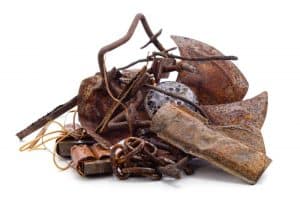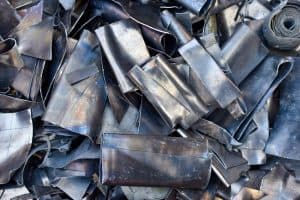

You’ve got a faucet from the bathroom remodel, a few old valves, and maybe a coffee can of fittings that’s been sitting in the basement for years. Now you want to know what it’s worth and where on Long Island to take it. Search for brass scrap online and you’ll find prices all over the map, with nobody explaining why. Here’s what’s going on: brass isn’t one thing at the scale. A few minutes of sorting at home in Nassau or Suffolk County can change what you’re paid. Let’s start with what you’re actually holding.
What Counts as Brass Scrap?
Brass is an alloy of copper and zinc, and it isn’t magnetic. It turns up in more places than most people expect: faucets and shutoff valves, sprinkler heads, water meters, door hardware, boat fittings, old trumpets and spent shell casings. If your house dates to the mid-century building boom on Long Island, there’s a decent chance some of the plumbing is original, and a bathroom or kitchen remodel can leave you with a real pile.
Brass isn’t copper, though, and we price the two separately. Within brass itself there are grades, and which one you have decides most of what you’re paid.
How Do I Tell Red Brass From Yellow Brass at Home?
There are two main kinds, and the difference is mostly copper. Red brass is about 85 percent copper, which gives it a darker, reddish look and a little extra heft in your hand. It usually comes from water meters, valves, pump housings and sprinkler heads. Yellow brass runs closer to 60 to 70 percent copper, with zinc making up most of the rest. It’s bright and gold-colored, a bit lighter, and it’s what most faucets, plumbing fittings, door hardware, ammunition casings and musical instruments are made of.
Because red brass carries more copper, it pays more per pound. That’s why sorting matters. Say you’re clearing out a bathroom in an older Nassau ranch. The faucet and supply fittings are probably yellow, while a heavier valve or a sprinkler head from the yard may be red. Toss them all in one bucket and you’ve blended a better grade into a cheaper one.
A magnet is a fine first test, but only for ruling out steel. Brass won’t stick to it, but neither will copper, bronze or aluminum, so a magnet can’t tell you which of those you have. Look at color instead. If the surface is grimy, scratch a hidden spot with a file or a key to see the bare metal underneath. A warm, reddish tone points to red brass, and bright gold points to yellow brass. A salmon-pink like a new penny is probably copper, which we price separately. Not sure? Set the piece aside as “unsure” and describe it when you call us. We’d rather sort it out with you than have you guess.
Why Does Brass With Steel or Plastic Attached Pay Less?
Because we’re buying brass, and everything else stuck to it is weight that isn’t brass. A faucet with a steel stem, a valve with a rubber washer and a plastic handle, a fitting with solder still on it: all of that counts against the pile. The trade even has a name for it, “yellow brass 80/20,” meaning roughly a fifth of the weight is contamination. It sells at a much lower rate than clean yellow brass, and brass with steel or plastic left on it is paid at only a small fraction of the clean price.
You can fix most of that at your kitchen table. Pull off handles, unscrew steel parts where they come apart, and pop out rubber and plastic. You don’t need to polish anything, but try to keep the brass dry and free of oil, and keep it separate from copper and aluminum so nobody has to re-sort it later. If a piece won’t come apart, don’t fight it for an hour. Bring it, tell us what it is, and we’ll let you know how it’s graded.
This is also where a lot of the online confusion comes from. A website listing “brass” at one number isn’t talking about a faucet with a steel stem. It’s talking about clean material, sorted by grade. So when the amount at the yard looks smaller than you expected, the explanation is usually sitting right there in the bucket. We’d rather walk you through that before you load the truck than after.
What’s the Scrap Brass Price Today on Long Island?
Brass follows copper. According to one metals price tracker, yards typically pay for clean yellow brass at roughly 41 to 50 percent of the copper price, with red brass and bronze higher because they carry more copper. Copper moves week to week, so the brass scrap price moves with it, along with grade, cleanliness and how much you bring.
That’s why searching “scrap brass price today” gets you a dozen different answers. Some are national averages, some come from other regions, and some are months old. We publish our own list on our pricing page, and it shows Brass Clean at $2.25 per pound and Brass Rads Clean at $1.60 per pound. Since the market shifts, call us to confirm before you load up. A current number from a person beats one that’s gone stale.
Where Can I Recycle Brass Near Me in Nassau or Suffolk County?
Not at the curb. Most municipal recycling programs on Long Island take food and beverage cans, so faucets, fittings and valves don’t belong in the blue bin. They’re worth too much to throw out anyway. Brass goes to a scrap yard, and you’re rarely far from one in either county.
We’re at 1100 Lincoln Ave. in Holbrook, in central Suffolk County, and we’ve been at that address since 1970. The business started in Hewlett, in Nassau County, so we know both sides of the line. If you’re in Brentwood, Hauppauge, Coram, East Islip, Smithtown, Brookhaven or Islip, it’s a manageable trip, and sellers from Nassau County come see us too.
Brass is part of our daily work, not one line on a long list. We’re primarily a non-ferrous yard, so aluminum, copper, brass, stainless and wire are our specialty. We also operate as a true industry wholesaler, with equipment that lets us handle material many yards can’t, and we buy from other scrap yards and government entities nationwide. That means we’re set up to take your brass, whether it’s a bucket from a remodel or a much bigger load.
If you’re a contractor, plumber or business with more than you can haul, we offer pickup across Nassau and Suffolk County. Everyone else can drop off at the Holbrook yard. A call to 631-567-2727 beforehand tells you what to expect.
Do I Need ID to Sell Brass in Suffolk County, and Is a Small Box Worth the Trip?
Yes to the ID, and yes to the small box. Bring a valid government-issued photo ID. Under Suffolk County Code Chapter 721, scrap buyers keep a record of each purchase, including a copy of the seller’s photo ID, and New York has its own recordkeeping rules for processors on top of that. It’s the law, and it’s how you tell a legitimate yard from one you should worry about. If a place never asks who you are, that’s the one to question.
As for size, we welcome small loads. A coffee can of fittings from a basement clean-out is a normal day for us. What matters more than quantity is sorting and cleanliness, which is why we spent so long on them above. If you’re unsure whether the trip makes sense, a quick call settles it. Tell us what you have, and we’ll tell you whether it’s worth bringing now or better saved until you have more.
Once you’re here, your material is weighed on precise scales, because fair weights are where fair pricing starts. Customers tell us the yard is clean and organized and the staff are helpful and friendly. One customer has been bringing us aluminum for more than ten years. We’d like to earn that kind of repeat visit with your brass, too.
Sell Scrap Brass on Long Island With Crestwood Scraps
Here’s what to take with you. Red brass and yellow brass are different grades, and copper content is the reason. Steel, plastic and rubber left on brass cost you money, so pull off what you can. Prices follow copper and change, so confirm before you drive. And bring a photo ID.
If you have brass from a remodel, a clean-out or a job site anywhere in Nassau or Suffolk County, give Crestwood Scraps a call. Tell us what you have, and we’ll tell you what to expect before you load the truck. We’ve been doing this in Holbrook since 1970, and we’d rather answer your questions up front than have you find out at the scale.